Easter Bunny 3D Printable Planter Easy 3D Printing
The intersection of seasonal decor and additive manufacturing has produced a surprising number of viable decorative objects, but few manage to balance aesthetic charm with printing reliability as effectively as the Easter Bunny 3D Printable Planter Easy 3D Printing design. For makers, hobbyists, and small business owners looking to expand their inventory or add a touch of personality to their workspace, this model offers a compelling case study in accessible 3D design. It is not merely a novelty item; it is a functional vessel that leverages the specific strengths of FDM (Fused Deposition Modeling) technology to create a polished, organic-looking piece without requiring advanced post-processing techniques.
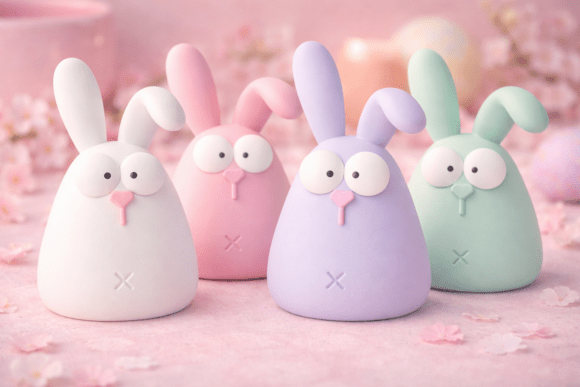
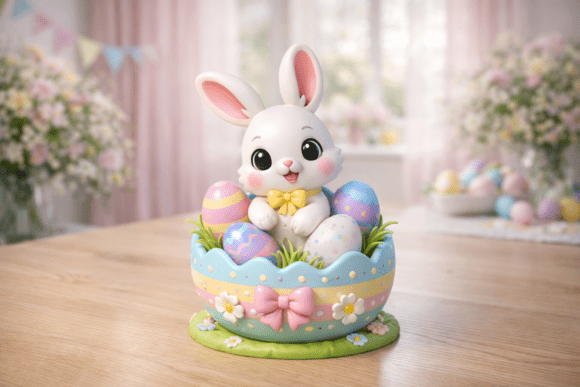
This planter features a cheerful Easter bunny nestled inside a decorative egg-style pot, creating a playful yet polished accent piece for seasonal and year-round decor. The design philosophy here leans heavily into soft, approachable aesthetics while maintaining structural integrity. By combining a rounded bowl form with layered egg details and sculpted character elements, the designer has created a piece that feels substantial and high-quality. This approach stands out on shelves, desks, and tabletop displays, offering a visual break from the often sharp, geometric lines typical of many open-source 3D models.
Design Characteristics and Aesthetic Appeal
At its core, the Easter Bunny 3D Printable Planter Easy 3D Printing project is designed to function as a decorative vase or small planter. The primary utility lies in its ability to hold mini plants, dried flowers, or artificial greenery. However, the visual appeal is equally important. The smooth, gently textured surfaces and bold dimensional shapes are optimized for clean 3D printing while preserving fine visual detail. This optimization is critical because it reduces the likelihood of print failures due to overhangs or thin walls that might collapse during the extrusion process.
The rounded bowl form provides a stable base, which is essential for any object intended to hold soil and water. Unlike intricate lattice structures that may look impressive but fail under weight, this design prioritizes a balanced base and compact footprint. This makes it suitable for home decor, office styling, gift items, and spring-themed centerpieces. The modern decorative style blends cute character design with a structured container form, making it both functional and display-friendly. For professionals who appreciate good design, the lack of excessive clutter allows the form itself to speak, ensuring the piece does not feel childish despite its thematic subject matter.
Practical Value for Makers and Creators
For the serious hobbyist or the maker selling at local craft fairs, the Easter Bunny 3D Printable Planter Easy 3D Printing asset provides significant practical value. The "easy" designation in the title is not just marketing fluff; it reflects a geometry that is forgiving of common slicing errors. The model is engineered to print reliably, which means fewer wasted hours and less material spent on failed attempts. This reliability is crucial for anyone considering mass production or rapid prototyping.
- Reduced Support Requirements: The organic curves and nesting elements are typically designed to minimize the need for extensive support structures. This results in smoother surface finishes on visible areas and significantly reduces post-print cleanup time.
- Material Efficiency: The compact footprint and solid base structure mean that the volume of filament used is reasonable. This keeps production costs low, whether you are using premium PLA for a matte finish or PETG for added durability.
- Versatility in Finishing: While the printed surface is already smooth, the design accepts paint, stain, or sealing treatments well. This allows creators to customize the color palette to match specific brand identities or seasonal trends beyond the traditional pastel Easter colors.
Performance in Real-World Use
When evaluating how this planter performs in real-world scenarios, we must look beyond the initial print success. A 3D printed object intended for holding plants faces specific challenges, primarily related to moisture and weight. The Easter Bunny 3D Printable Planter Easy 3D Printing design addresses some of these through its thick-walled construction. The layers of the egg-style pot provide structural rigidity that prevents warping or buckling when the pot is filled with dense soil.
However, users should be aware that standard FDM prints are porous. Water can seep through the layer lines over time, potentially leading to leaks or weakening the structural bonds if left in standing water. For this reason, the planter is best suited for use with a plastic inner liner, a waterproof sealant coating, or for dry arrangements such as dried flowers and artificial greenery. This limitation does not detract from its value; rather, it defines its ideal use case. As a decorative vase for faux botanicals, it excels, offering a long-lasting display piece that requires no maintenance other than occasional dusting.
The presentation of the finished object is another key factor. The sculpted character elements—the bunny’s ears, face, and posture—are rendered with enough depth to cast subtle shadows, adding dimensionality to the piece. When placed on a desk or shelf, the interplay of light and shadow enhances the "soft, organic look" described by the designers. This attention to lighting interaction suggests that the model was crafted with an understanding of how physical objects exist in three-dimensional space, rather than being a simple extrusion of 2D shapes.
Target Audience and Strategic Fit
Who benefits most from incorporating the Easter Bunny 3D Printable Planter Easy 3D Printing into their workflow? The answer spans several demographics within the creator economy.
- Small Business Owners: Retailers specializing in home goods, stationery, or gift items can use this model to offer unique, locally made products. The seasonal nature of the design allows for targeted marketing campaigns in Q1, driving sales during the spring rush.
- Educators and Mentors: In educational settings, this model serves as an excellent teaching tool. It demonstrates how to design for manufacturability, how to handle complex geometries, and how to think about the end-use of a printed object.
- Hobbyists and Decor Enthusiasts: Individuals who enjoy curating their living spaces will appreciate the blend of functionality and whimsy. It fills a niche for affordable, customizable decor that mass-produced items often lack.
- Content Creators: Bloggers and influencers focused on DIY, 3D printing, or interior design can use this project as high-quality visual content. The aesthetic appeal ensures it photographs well, aiding in social media engagement.
Limitations and Considerations
No digital asset is without limitations. While the Easter Bunny 3D Printable Planter Easy 3D Printing model is robust, it is not a universal solution. The scale of the planter is relatively small, meaning it cannot accommodate large root systems or tall stems. Users seeking a floor-standing plant holder will find this model too diminutive for their needs. Additionally, the intricate details around the bunny’s face may require a printer with a smaller nozzle size (such as 0.4mm or 0.6mm) to achieve the sharpest definition. Larger nozzles might blur these finer features, reducing the overall polish of the final piece.
Furthermore, the reliance on specific filament types for optimal results cannot be overstated. While PLA is the easiest to print, it is susceptible to heat deformation. If the planter is displayed in direct sunlight or a hot car, the PLA may soften and lose its shape. For outdoor use or high-heat environments, switching to ASA or ABS would be necessary, though these materials require more advanced printing setups due to warping risks and ventilation needs.
Final Assessment
The Easter Bunny 3D Printable Planter Easy 3D Printing represents a thoughtful entry in the realm of seasonal 3D printable decor. It succeeds by avoiding the pitfalls of overly complex designs that frustrate users, instead opting for a balanced approach that prioritizes printability and aesthetic cohesion. Its strength lies in its versatility—it functions equally well as a gift item, a personal decor piece, or a commercial product.
For those evaluating whether to download and print this model, the decision hinges on your specific goals. If you are looking for a reliable, visually appealing project that yields a professional-looking result with minimal hassle, this planter is a strong candidate. It embodies the principle that good design in 3D printing is not just about what the software can render, but about what the machine can actually produce consistently. By respecting the constraints of the medium while maximizing its expressive potential, this design offers lasting value to anyone willing to engage with the creative process.