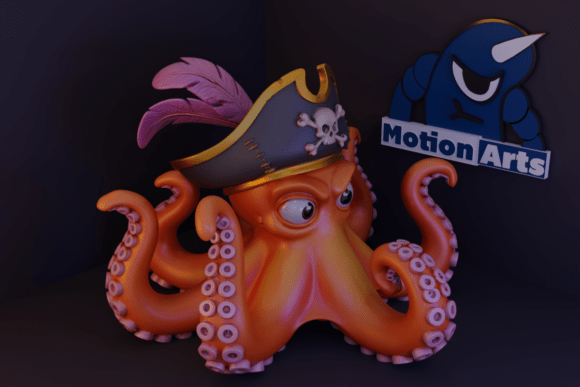
Pirate Octopus 3D Model for 3D Printing
In the evolving landscape of graphic design and visual communication, the boundary between digital assets and physical objects is becoming increasingly blurred. For creators seeking to add a unique, tactile dimension to their projects, the Pirate Octopus 3D Model for 3D Printing offers a compelling solution that bridges the gap between whimsical character design and professional branding. This isn't just a novelty item; it is a versatile creative asset that can enhance brand identity, elevate packaging design, and bring unexpected personality to digital marketing campaigns.
Visual Impact and Design Aesthetics
From a graphic design perspective, the strength of this model lies in its stylized approach. Unlike hyper-realistic figures that may require extensive post-processing, this octopus features well-defined volumes and closed shapes. This structural integrity ensures stability during the printing process, but more importantly for designers, it provides clean lines and bold forms that translate beautifully into two-dimensional representations as well.
The combination of classic pirate elements—such as an eye patch or tricorn hat—with the organic, expressive tentacles of an octopus creates a striking visual contrast. This juxtaposition is a powerful tool in modern aesthetics, allowing brands to communicate playfulness without sacrificing professionalism. The high-contrast nature of the design makes it ideal for logo design adaptations, where simplicity and recognizability are paramount. When integrated into a cohesive color palette, the model’s distinct silhouette can serve as a memorable mascot or icon, strengthening user experience (UX) by providing a friendly, approachable visual anchor.
Practical Applications in Creative Projects
Integrating a specialized 3D asset like the Pirate Octopus into your workflow requires strategic thinking. It is not merely about placing an image on a page; it is about leveraging its form to support your design goals. Here is how this model can be effectively utilized across various mediums:
- Branding and Merchandise: Use the model as the basis for custom merchandise, such as enamel pins, tote bags, or promotional figurines. Its sturdy design ensures it holds up well as a physical product, enhancing brand loyalty through tangible engagement.
- Social Media Graphics: Render the model in different poses or lighting conditions to create dynamic content for platforms like Instagram or LinkedIn. The "beginner-friendly" nature of the print means you can produce multiple variations quickly for A/B testing in social media graphics.
- Packaging Design: Incorporate the character into box inserts or labels for themed products. The playful yet structured design adds a layer of surprise and delight, which is crucial for unboxing experiences in e-commerce.
- Editorial and Web Design: Use high-quality renders of the model as featured imagery in blog posts, case studies, or website hero sections. It breaks the monotony of stock photography and injects a sense of adventure into web design layouts.
Evaluating Usability and Scalability
When selecting 3D models for broader design applications, scalability and adaptability are key. The Pirate Octopus model is designed with home printers in mind, meaning its geometry is optimized for clarity at various scales. For UI/UX design, this translates to vector-like clarity when converted to 2D icons. Designers should evaluate the model’s negative space and protruding elements to ensure they remain legible when scaled down for mobile interfaces or favicons.
Furthermore, consider the typography pairing. The rugged, adventurous theme of the pirate octopus pairs well with serif fonts that evoke history or bold sans-serifs that suggest modernity. Avoid overly delicate typefaces that might compete with the detailed tentacles. Instead, use visual hierarchy to let the character act as the focal point, with text supporting the narrative rather than distracting from it.
Enhancing Brand Storytelling
In today’s saturated digital environment, standing out requires more than just good color choices; it requires storytelling. The Pirate Octopus brings a narrative of exploration and fun to any project. By using this asset, designers can tap into themes of discovery and creativity, resonating with audiences who value innovation and humor. Whether you are designing for a tech startup looking to appear more approachable or a creative agency showcasing its versatility, this model serves as a conversation starter.
To maximize the impact, ensure consistency across all touchpoints. If you choose to use the Pirate Octopus, apply its core visual traits—such as its specific color scheme or stylistic quirks—across your entire brand identity system. This could include matching button styles, loading animations, or email signatures. Consistency builds trust, and a well-executed thematic element reinforces your message subconsciously.
Ultimately, the value of a creative asset like the Pirate Octopus 3D Model for 3D Printing lies in its ability to inspire. It encourages designers to think beyond flat screens and explore three-dimensional possibilities. By integrating such unique elements into your design workflow, you not only improve the aesthetic quality of your work but also deepen the emotional connection with your audience. Thoughtful design choices, backed by high-quality resources, are what separate ordinary presentations from exceptional, memorable experiences.