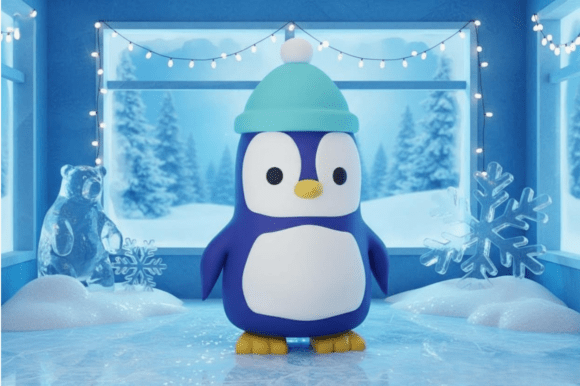
Cute Chibi Penguin 3D Model Print
The intersection of digital design and physical fabrication has created a robust market for accessible, high-quality 3D printable assets. Among the myriad of available models, the Cute Chibi Penguin 3D Model Print stands out as a compelling option for hobbyists seeking a blend of aesthetic charm and technical accessibility. This specific asset is designed to produce an adorable chibi-style penguin figurine, characterized by its oversized head, simplified features, and a cozy turquoise beanie. For individuals researching 3D printing projects, understanding the nuances of this model—including its file structure, printability, and intended use cases—is essential for making an informed decision.
Understanding the Asset: What Is It?
The Cute Chibi Penguin 3D Model Print is not a physical product but a comprehensive digital package containing the necessary data to fabricate a figurine using additive manufacturing technologies. The core appeal lies in its "chibi" art style, which emphasizes cuteness through exaggerated proportions. This particular design includes a detailed accessory—a turquoise beanie—which adds visual interest and requires careful slicing to ensure proper support placement during printing.
Unlike simple geometric shapes or functional tools, this model falls into the category of decorative art. It is intended for display rather than mechanical function. The inclusion of multiple file formats suggests that the creator has considered various workflows, catering to both users who simply want to print the object and those who wish to modify or render it digitally before production.
File Composition and Technical Specifications
A significant factor in evaluating any 3D model is the quality and versatility of the provided files. The download package for the Cute Chibi Penguin is structured to accommodate different levels of technical proficiency:
- STL File (Print Ready): Standard Tessellation Language files are the industry standard for 3D printing. This version is optimized for immediate slicing, meaning users can load it directly into slicer software like Cura or PrusaSlicer without additional preparation.
- OBJ Files (Two Versions): OBJ files often contain more detailed mesh information than STLs. Having two versions likely provides options for different rendering engines or editing needs, offering flexibility for users who might want to adjust textures or geometry before finalizing their print.
- BLEND File (Blender 3.0): Providing the native Blender file is a substantial value-add. It allows advanced users to inspect the topology, modify the mesh, change the color of the beanie, or integrate the penguin into larger scenes. This transparency is rare in many commercial 3D model marketplaces.
- PDF Info File: This document typically contains instructions, recommended settings, or credits, ensuring the user has all necessary context for a successful print.
It is crucial to note that this is a purely digital transaction. No physical item will be shipped. Buyers must have access to a 3D printer and the requisite filament or resin to realize the project.
Printability and Material Considerations
One of the primary reasons creators choose this model is its stated compatibility with both FDM (Fused Deposition Modeling) and Resin printers. However, the success of the print depends heavily on how these machines handle the model's specific geometry.
FDM Printing
For FDM users, the chibi penguin’s rounded shapes and the beanie’s brim present specific challenges. The beanie, being an overhang, will require supports. Beginners should look for the "Print Ready" STL, which may already include generated supports or be designed to minimize them. PLA filament is generally recommended for its ease of use and vibrant color options, allowing the turquoise beanie to stand out against the black and white body of the penguin.
Resin Printing
Resin printers offer higher detail resolution, which can capture finer textures on the penguin’s feathers or the knit pattern of the beanie. However, resin prints require post-processing, including washing and UV curing. Additionally, the small feet of a chibi figure can be fragile; resin prints may need additional reinforcement or careful handling during removal from the build plate.
Evaluating Use Cases and Aesthetics
The aesthetic of the Cute Chibi Penguin aligns with the "kawaii" culture, which originated in Japan and focuses on cuteness. This makes the model suitable for several distinct environments:
- Holiday Decor: The winter theme and beanie make it an ideal decoration for Christmas trees, mantels, or office desks during the colder months.
- Desktop Companions: Its small scale makes it perfect for adding personality to a workspace. It serves as a non-distracting, cheerful presence.
- Gift Items: Because it is easy to print, users can produce multiple copies for friends and family, personalizing the base or color scheme to suit individual tastes.
However, potential buyers should consider the longevity of the design. While "cute" is subjective, the chibi trend has remained popular for years. If a user is looking for avant-garde or highly complex artistic statements, this model may feel too simplistic. Conversely, for those seeking approachable, friendly decor, it hits the mark effectively.
Tradeoffs and Potential Drawbacks
No 3D model is without limitations. When evaluating the Cute Chibi Penguin, readers should weigh the following tradeoffs:
- Support Removal Artifacts: Regardless of the printer type, removing supports from the underside of the beanie or between the flippers may leave visible marks. Post-processing with sandpaper or putty may be required for a flawless finish.
- Color Limitations: Unless using multi-material printing or painting, the model will likely be monochromatic or dual-color (e.g., white body, black back). Achieving the specific turquoise beanie color requires either precise filament selection or manual painting.
- Structural Integrity: Small protruding parts, such as the beanie’s pom-pom (if present) or flipper tips, are prone to snapping. These delicate areas often benefit from being printed flat or reinforced.
Decision-Making Insights: Who Is This For?
Determining whether to purchase this digital asset depends on your current skill level and goals.
This model is a strong fit if:
- You are a beginner looking for a rewarding first print that yields a visually pleasing result without excessive complexity.
- You own a resin printer and want to test high-detail capabilities with a forgiving subject matter.
- You are interested in learning Blender, as the included .blend file offers a practical learning resource.
- You need quick, affordable holiday decor that can be produced in-house.
Alternatives may be worth considering if:
- You require a mechanically functional part, as this model is purely decorative.
- You prefer minimalist design over character-based art.
- You lack a 3D printer entirely. In this case, purchasing a pre-printed figurine from a retailer might be more cost-effective when factoring in electricity, material waste, and time spent troubleshooting prints.
Conclusion
The Cute Chibi Penguin 3D Model Print represents a well-rounded entry in the digital fabrication space. By providing a mix of print-ready STLs, editable OBJs, and a native Blender file, the creator has addressed the needs of both casual users and technical enthusiasts. While it requires basic knowledge of slicing and post-processing, its forgiving geometry and charming design make it a low-risk, high-reward project. For those seeking to add a touch of whimsy to their collection or practice their printing skills, this model offers a solid foundation for creation.