Revitalizing Seasonal Engagement: The Strategic Value of Gingerbread House Paper Craft 3D for Modern Creators
In the rapidly evolving landscape of digital crafting and small business entrepreneurship, the intersection of traditional aesthetics and modern technology has created a unique niche for high-quality, printable assets. Among the most compelling opportunities in this space is the Gingerbread House Paper Craft 3D, a meticulously designed cut file that bridges the gap between nostalgic holiday decor and precision manufacturing tools like Cricut and Silhouette. For professionals, freelancers, and marketers looking to capitalize on seasonal trends, understanding the mechanics and market appeal of this specific asset class is not just about crafting; it is about leveraging design efficiency to meet changing consumer expectations.
The Convergence of Nostalgia and Precision Manufacturing
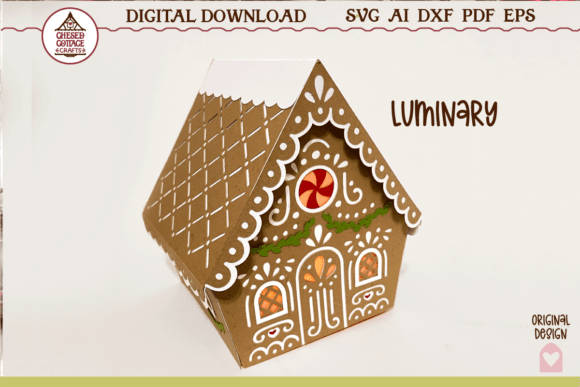
The concept behind the Gingerbread House Paper Craft 3D is deceptively simple yet technically sophisticated. At its core, it is an originally designed cut file intended for use with computer-controlled cutting machines. However, its value proposition extends far beyond the act of cutting paper. It represents a shift in how consumers engage with home decor—moving away from mass-produced, factory-made items toward personalized, handcrafted experiences that feel authentic and warm.
This particular project offers a finished size of approximately 4.25 inches wide by 4.75 inches high by 4 inches deep, a scale that is perfect for tabletop displays, gift embellishments, or miniature village setups. The inclusion of instructions within the download ensures that even those with limited technical expertise can achieve professional results. This accessibility is crucial in today’s market, where the barrier to entry for creating "luxury" or "artisanal" goods has been significantly lowered by digital fabrication tools.
Technical Specifications and Workflow Efficiency
For creators and entrepreneurs, the technical integrity of a digital asset is paramount. The Gingerbread House Paper Craft 3D comes packaged in a comprehensive zip folder containing five distinct file formats: EPS, SVG, AI, PDF, and DXF. This multi-format approach is not merely a convenience; it is a strategic necessity that accommodates various software ecosystems and user proficiency levels.
- SVG (Scalable Vector Graphics): Ideal for direct import into Cricut Design Space and other web-based cutting software, ensuring seamless compatibility for the majority of hobbyist users.
- AI (Adobe Illustrator) & EPS: Catering to professional designers who require editable vector layers for customization, branding, or integration into larger marketing campaigns.
- DXF: Essential for users of Silhouette Studio and other vector-based cutting programs, ensuring broad hardware compatibility.
- PDF: Providing a reliable fallback for printing and manual cutting, or for viewing purposes without specialized software.
By offering such robust file support, the designer ensures that the product fits seamlessly into existing workflows. Whether a freelancer is preparing assets for a client’s holiday newsletter or a small business owner is producing inventory for an Etsy shop, the ability to work within one’s preferred software environment reduces friction and increases productivity.
Material Selection and Aesthetic Impact
The visual success of any paper craft project relies heavily on material selection. The recommended materials for the Gingerbread House Paper Craft 3D are carefully chosen to enhance the three-dimensional effect and structural integrity of the final piece. The project requires five sheets of cardstock in specific colors: white, brown, green, and red, all utilizing 65 lb. weight stock. Additionally, vellum is suggested as an optional material for the windows.
The choice of 65 lb. cardstock is significant. Lighter papers may lack the rigidity needed to hold the complex geometric folds required for a 3D structure, while heavier stocks might be difficult to score and fold cleanly. The 65 lb. weight strikes a balance, providing enough stiffness to maintain the house’s shape while remaining pliable enough for precise assembly. The color palette evokes classic holiday imagery: the warmth of brown for the "gingerbread" walls, the freshness of green for the roof, the vibrancy of red for accents, and the crispness of white for snow-like details.
The optional use of vellum for the windows introduces a layer of sophistication. When paired with a small battery-powered tea light candle, the translucent quality of the vellum diffuses the light, creating a soft, inviting glow. This transformation from a static paper model to a luminous decorative object adds perceived value, making it an attractive product for gifting or home decoration. It taps into the consumer desire for ambiance and atmosphere during the holiday season.
Market Trends and Consumer Behavior
Why is there renewed attention on projects like the Gingerbread House Paper Craft 3D? The answer lies in broader shifts in consumer behavior and creative industries. Post-pandemic, there has been a sustained interest in "slow living" and hands-on activities. Consumers are seeking meaningful ways to spend their time, and crafting offers a tangible, screen-free outlet that results in a physical product. Furthermore, the rise of social media platforms like Pinterest and Instagram has fueled a demand for visually appealing, shareable content. A beautifully lit gingerbread house is inherently photogenic, encouraging user-generated content that serves as organic marketing for the creator.
Additionally, the trend toward sustainability and reduced waste influences purchasing decisions. Unlike plastic decorations that end up in landfills, paper crafts are biodegradable and reusable. Entrepreneurs who position these products as eco-friendly alternatives to traditional decor can tap into the growing demographic of environmentally conscious consumers. The digital nature of the product also aligns with the "digital-first" mindset; customers purchase once and print infinitely, reducing the carbon footprint associated with shipping physical goods.
Strategic Applications for Professionals and Marketers
For marketers and brand strategists, the Gingerbread House Paper Craft 3D offers more than just a craft project; it presents a versatile tool for engagement. Small businesses can offer these files as lead magnets, providing value to subscribers in exchange for contact information. This strategy builds trust and positions the brand as a helpful resource rather than just a vendor.
In the realm of corporate gifting, companies can customize these designs with their logos or brand colors, using the provided AI or EPS files to adapt the template. This allows for the creation of unique, memorable gifts that stand out in a sea of generic merchandise. The tactile nature of the gift creates a stronger emotional connection than digital vouchers or standard swag.
Furthermore, educators and workshop leaders can utilize these files to teach principles of geometry, spatial reasoning, and design thinking. The step-by-step instructions included in the download make it an ideal curriculum component for STEM/STEAM programs focused on engineering and architecture. By integrating such practical, real-world applications, creators can expand their audience beyond just hobbyists to include educational institutions and community centers.
Conclusion: Embracing the Future of Handmade
The Gingerbread House Paper Craft 3D exemplifies how traditional craftsmanship is being reimagined through digital innovation. It is not merely a set of instructions for building a paper house; it is a testament to the power of accessible design, versatile file formats, and the enduring human desire for creativity. As we look toward the future of the creative economy, products that blend technical precision with aesthetic warmth will continue to resonate.
Whether you are a seasoned pro looking to diversify your product line, a marketer seeking engaging content, or an enthusiast eager to add a personal touch to your holiday decor, this project offers a compelling solution. By leveraging high-quality SVG files and thoughtful material choices, creators can produce items that are not only beautiful but also efficient to produce and highly valued by consumers. In a world increasingly dominated by the virtual, the tangible beauty of a hand-assembled, illuminated paper gingerbread house reminds us of the irreplaceable value of making things by hand.