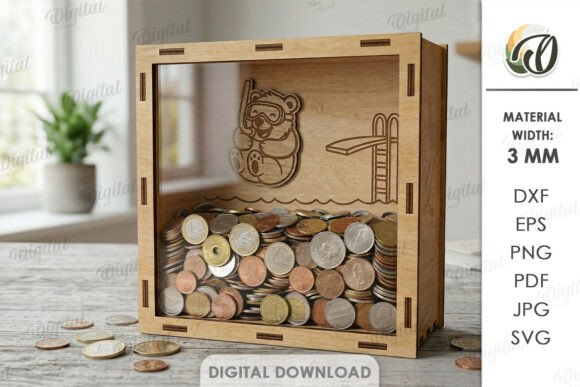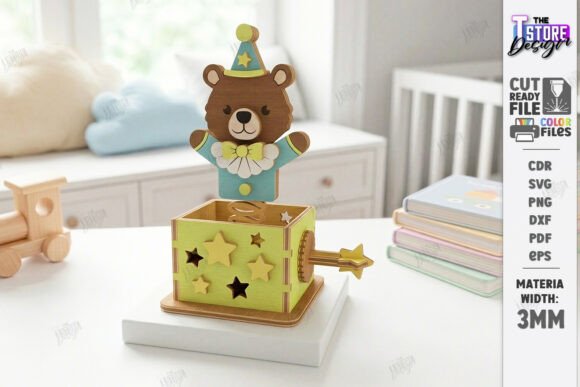
3D Music Box Laser Cut Kids Laser
In the evolving landscape of physical product design and tactile branding, the intersection of digital precision and artisanal craftsmanship has never been more critical. For designers looking to expand their portfolio beyond screens and into three-dimensional space, understanding the nuances of 3D Music Box Laser Cut Kids Laser projects offers a unique opportunity to merge visual storytelling with interactive engineering. This specific category of creative assets is not merely about cutting wood; it is about translating complex vector logic into tangible, whimsical experiences that captivate both children and adults alike.
When evaluating digital downloads for laser fabrication, such as those featuring carousel ships, bears, or jack-in-the-box mechanisms, the graphic designer’s eye must scrutinize more than just the aesthetic appeal. The underlying file structure—specifically the distinction between cut lines and engrave lines—is paramount. A well-organized design workflow relies on clear visual hierarchy within the software environment, ensuring that the machine interprets red lines for cutting paths and black lines for engraving details accurately. This level of detail ensures that the final wooden model retains its structural integrity while showcasing intricate surface textures.
The Role of Vector Precision in Physical Branding
From a professional graphic design perspective, these digital files serve as excellent case studies in scalability and line weight management. Whether you are creating custom packaging prototypes, promotional merchandise, or unique nursery decor items, the ability to manipulate SVG, EPS, DXF, and PDF formats allows for seamless integration into your existing design systems. The inclusion of multiple file types in a single archive supports various stages of production, from initial concept rendering to final manufacturing output.
Consider the application of these designs in brand identity development. A company specializing in eco-friendly toys or educational tools can leverage these 3D models to create limited-edition branded items. By maintaining consistent typography and color palette choices across both digital marketing materials and physical laser-cut products, brands can create a cohesive omnichannel experience. The whimsical nature of a carousel or ship design adds an element of surprise and delight, which is crucial for enhancing user engagement in experiential marketing campaigns.
Evaluating Design Assets for Compatibility
Selecting the right creative assets requires a technical understanding of your hardware and software capabilities. Not all laser cutters handle 3mm plywood with the same precision, nor do all vector programs interpret layer colors identically. Before purchasing or downloading any resource, it is essential to verify compatibility with your specific cutting machine and design software. This due diligence prevents costly material waste and ensures that the fine details—such as the tiny gears of a mechanical puzzle—are rendered sharply.
When assessing a design file, look for the following indicators of quality:
- Layer Organization: Are the cut and engrave layers clearly separated? This streamlines the preparation process and reduces errors.
- Line Weight Consistency: Thin lines may burn through delicate parts, while thick lines might obscure fine engravings.
- File Format Versatility: Access to both editable vectors (SVG, EPS) and raster previews (PNG, PDF) allows for flexible editing and quick visualization.
- Scalability: Ensure the design scales without losing resolution, allowing for different sizes of the final wooden model.
Enhancing User Experience Through Tactile Design
In an era dominated by digital interfaces, incorporating physical elements into brand communication can significantly boost memorability. A laser-cut music box serves as a functional piece of art, inviting users to interact with the brand on a sensory level. This aligns with modern trends in UX design, where usability extends beyond click-through rates to include emotional connection and physical interaction.
For editorial design and web design professionals, these assets provide inspiration for layout structures and decorative elements. The interplay of negative space and solid forms in a laser-cut pattern can inform how you approach white space in print design or UI layouts. Furthermore, the mechanical aspect of these puzzles encourages problem-solving and exploration, qualities that resonate well with audiences seeking educational or high-quality recreational products.
By integrating these high-quality digital resources into your creative projects, you elevate the perceived value of your offerings. Whether used for direct-to-consumer sales, as part of a larger gift set, or as standalone decorative pieces, the attention to detail in the laser file translates directly to the quality of the finished product. It demonstrates a commitment to excellence that customers recognize and appreciate.
Ultimately, the success of any design project lies in the thoughtful selection and execution of its components. By choosing assets that offer both aesthetic charm and technical reliability, designers can bridge the gap between digital imagination and physical reality. This holistic approach not only enhances the visual impact of your work but also strengthens the overall narrative of your brand, creating lasting impressions through every touchpoint.